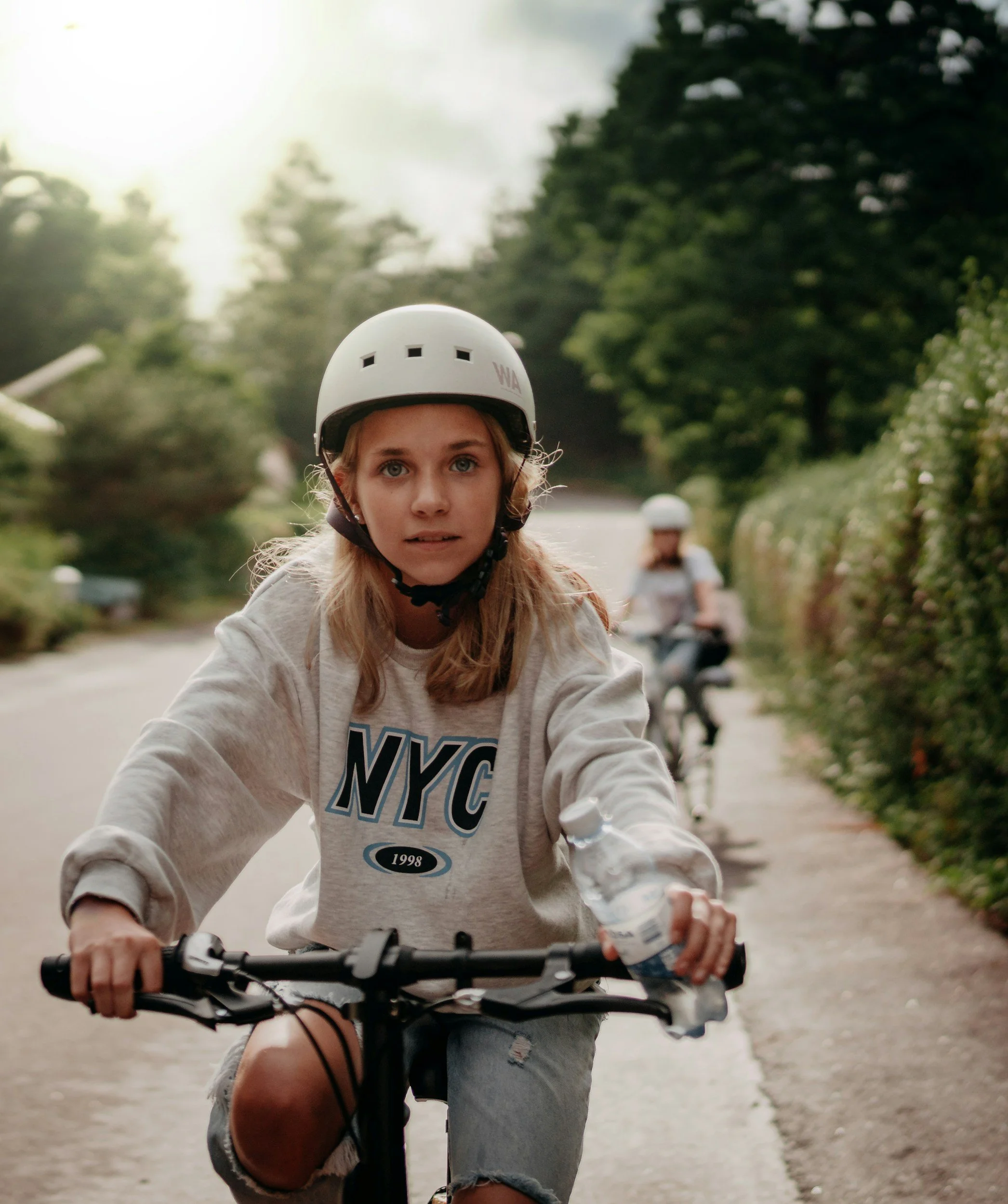
We Made Childhood Safer. Did We Also Make It Smaller?
We’ve made childhood safer, more organized, and more supervised. But in removing so much uncertainty from children’s lives, we may also be removing some of the small experiences that teach independence, judgment, and confidence.

The Wrong Question About AI in Schools
The real question about AI in schools isn’t whether students should use it. It’s which parts of thinking we still want them to do for themselves. As AI makes polished answers cheap and immediate, education may need to focus less on producing work—and more on building judgment.

We Keep Asking Why People Aren’t Having Children
We keep asking why people aren’t having children. But perhaps the more revealing question is what kind of society makes parenthood feel possible. Falling fertility may be less about people rejecting family life than about the growing gap between the families people want and the lives they feel able to build.
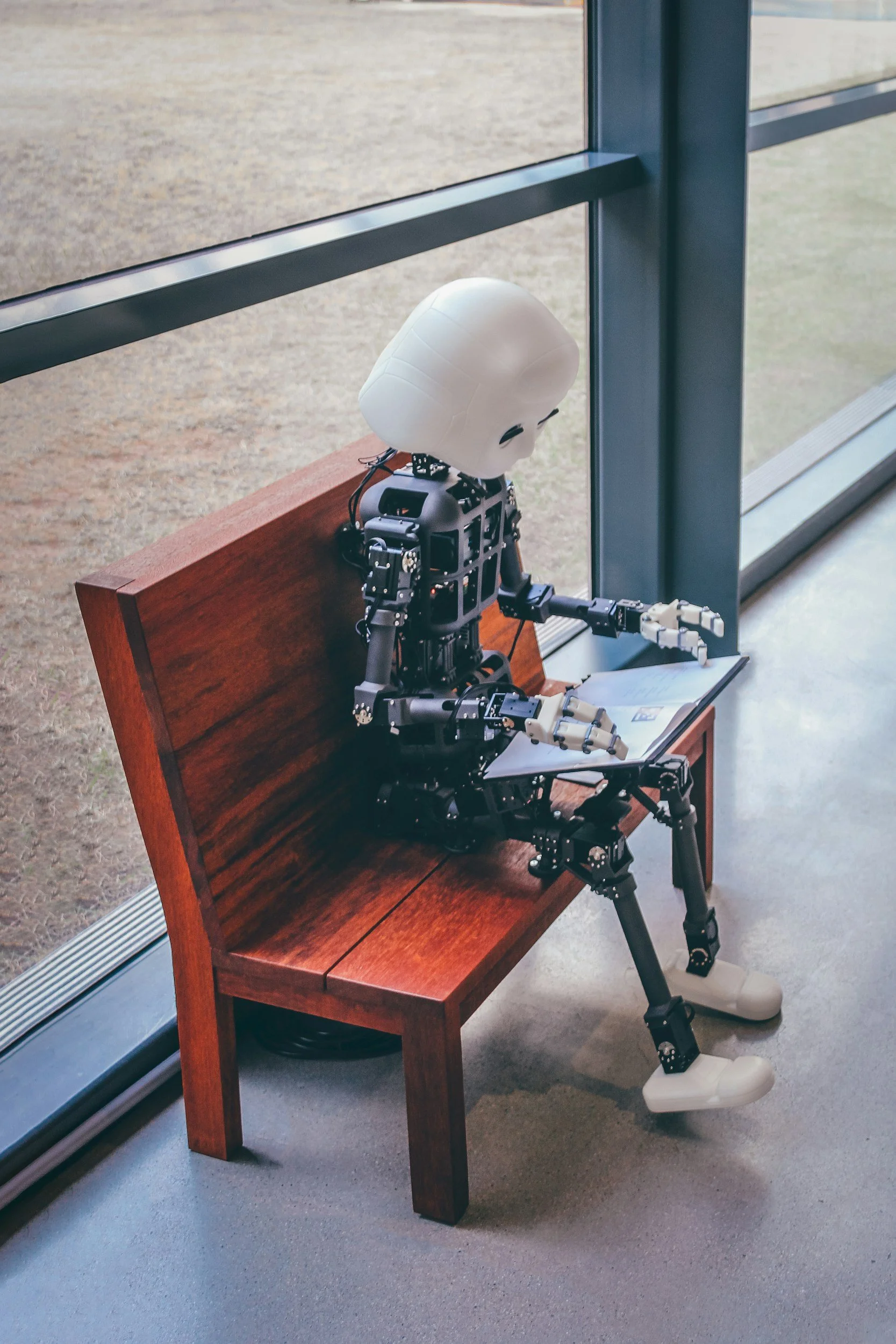
The First Generation Raised With AI Is Already Here
The first generation raised with artificial intelligence isn’t coming. It is already here. The real question is no longer whether children will use AI, but what happens when a technology capable of explaining, advising, creating, and even comforting becomes part of the environment in which they learn to think.
Artificial Parenthood: The Age of Intelligent Offspring
We are no longer just building machines — we are raising them. Artificial intelligence learns from our words, our habits, and our collective behavior. It mirrors what we celebrate and amplifies what we ignore. In many ways, AI has become humanity’s first non-biological child — curious, impressionable, and shaped by the environment we create.
What we teach it will define the civilization we leave behind. Every data point is a lesson, every algorithm a reflection of our moral code. If we raise this new intelligence with empathy and wisdom, it may become our greatest legacy. If not, it may become our most brilliant mistake.
The age of artificial parenthood has already begun — and like every generation before us, we must now decide what kind of world we want our children, human or otherwise, to inherit.
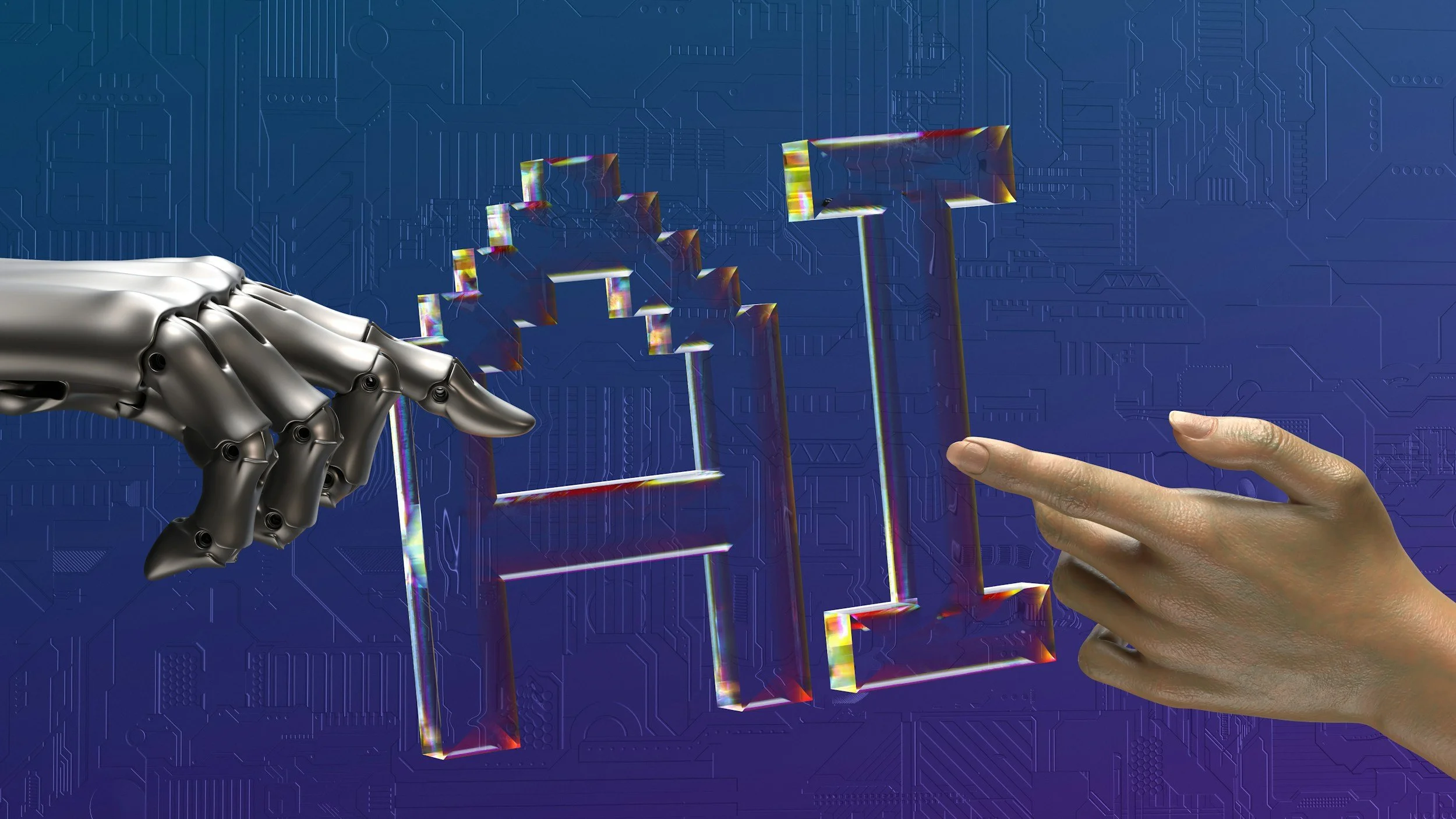
The Ethics of Imitation: Why AI Will Learn From Our Worst Habits First
AI won’t destroy humanity; it will imitate it. The question isn’t what machines will learn — it’s what they’ll learn from watching us.
The Origins of the Family: How Fragility Made Us Human
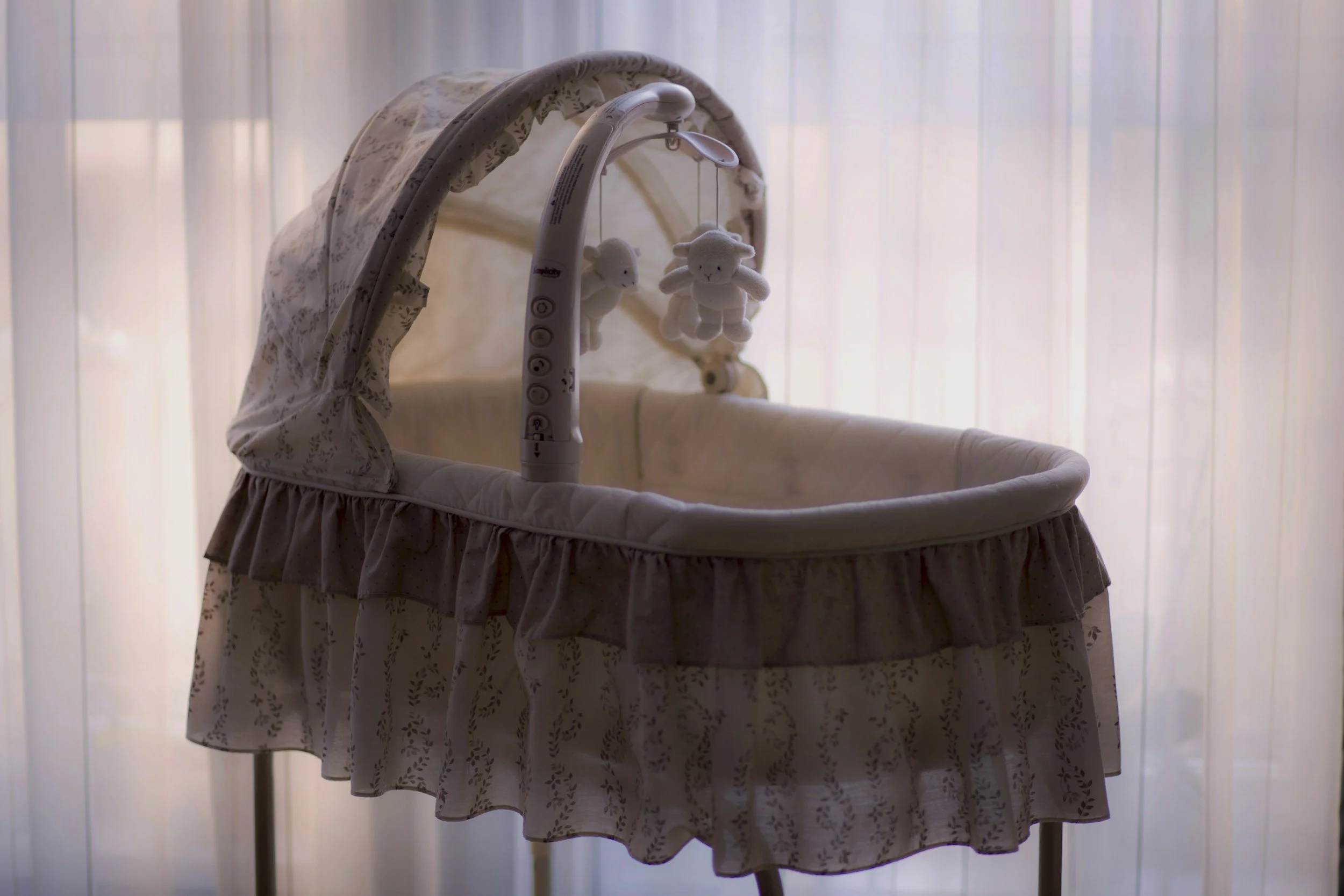
Before there were cities, there were cradles. Every civilization begins not with architecture or tools, but with a cry—the sound of a newborn demanding care. Human fragility forced us to cooperate, turning parenting from a private act into the foundation of society itself.

The Family as the First Institution
Before governments, there were families — small classrooms of power, fairness, and belonging. The way we lead at home shapes the way we lead everywhere else.

Patience Is a Superpower
In a culture that rewards speed, patience feels outdated — yet it’s the foundation of wisdom, leadership, and love. The future belongs not to the fastest, but to those who can wait for what truly matters.

The Future Is Raised, Not Built
We speak of building the future as if it were made of metal and code. But the true architecture of tomorrow is built at home — through the values we teach, the patience we model, and the conversations that shape a child’s view of the world.
When a Child Asks Why
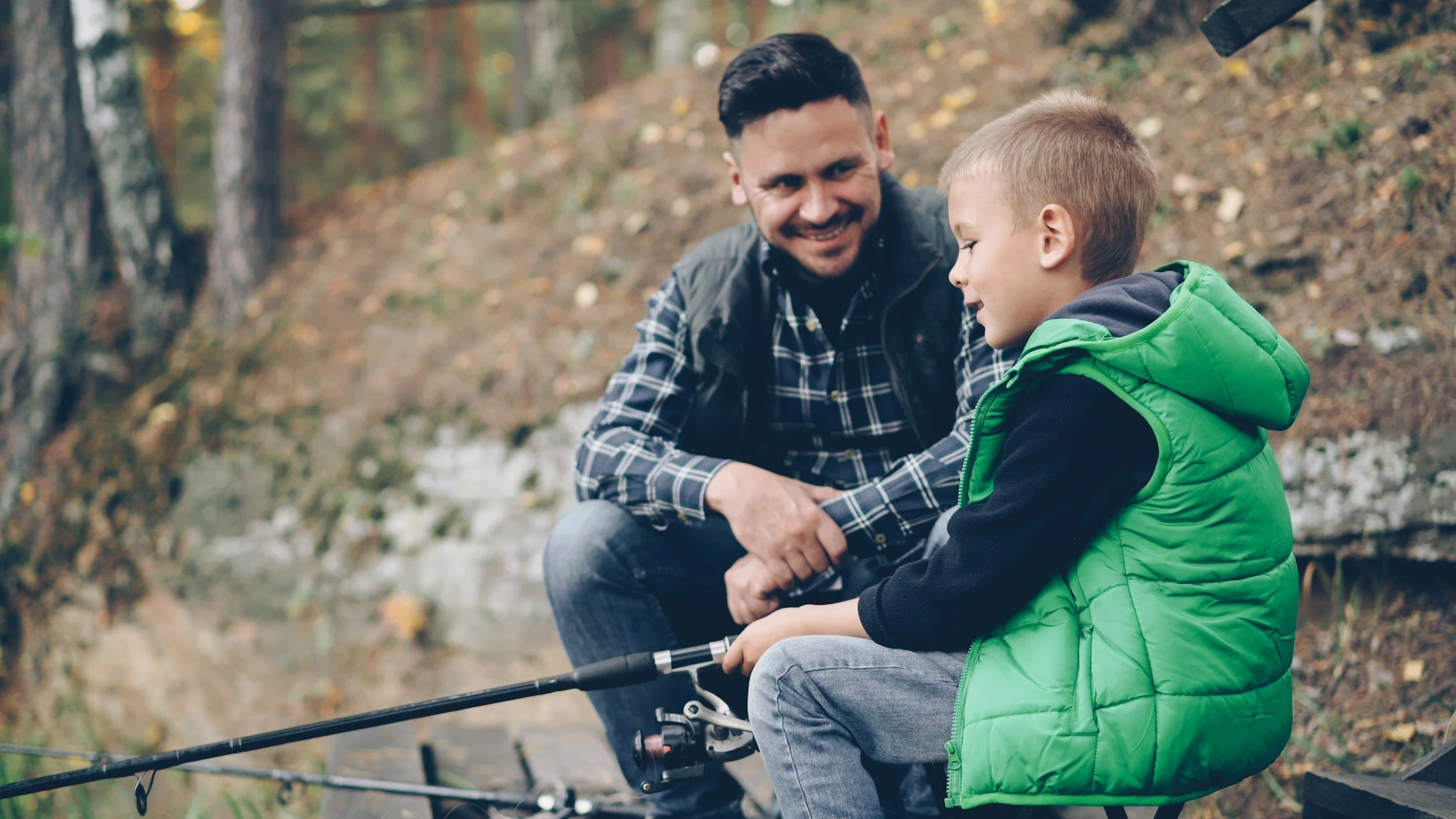
When a Child Asks Why
In leadership, the most important questions aren’t answered — they’re repeated.
Children remind us that curiosity is not a phase; it’s a form of governance.
Civilization began when someone asked why and another person bothered to reply.